Stop Sourcing, Start Selling: Borrowing the B2B Close for Candidate Conversion
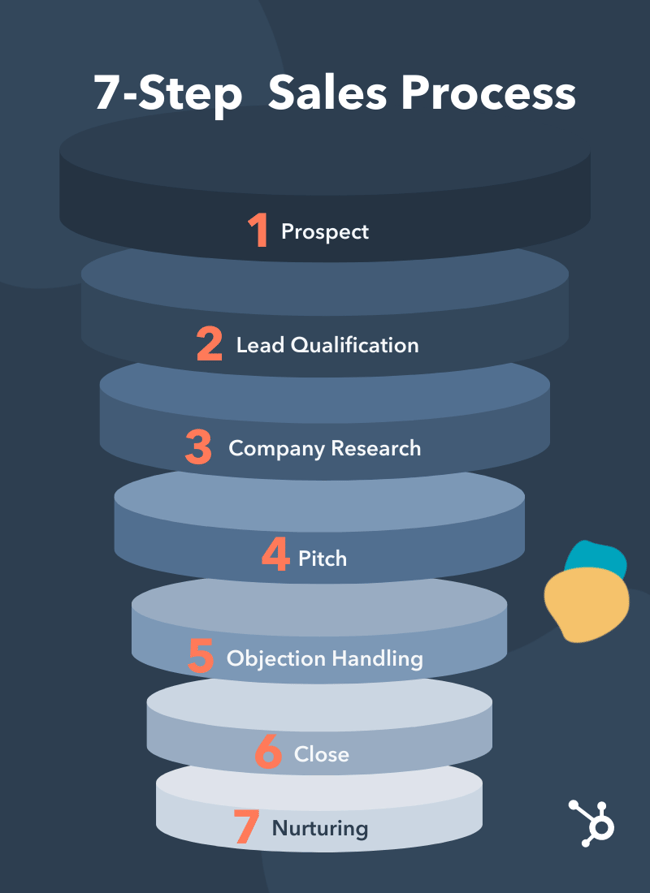
Photo: sales team strategy meeting pipeline board office, via blog.hubspot.com
Here is an opinion the recruiting industry resists: most talent teams are worse at closing than a mediocre enterprise software rep, and it shows in their conversion numbers.
The resistance is understandable. Recruiting likes to see itself as a craft of matchmaking and judgment, not commerce. But strip away the titles and look at the mechanics. A candidate is a buyer making a high-stakes, emotionally loaded purchase decision, with multiple vendors (employers) competing for their commitment, and a sales cycle measured in weeks. That is B2B sales in its purest form. The difference is that sales organizations studied this problem for decades, built repeatable playbooks, and measured every stage. Recruiting, mostly, did not.
The Pipeline You Already Have but Don't Read
Ask a VP of Sales for their pipeline and you'll get stage-by-stage counts, conversion rates, velocity, and coverage ratios. Ask a recruiting team the same question and you'll often get requisition counts and time-to-fill — output metrics that describe the machine, not the buyer.
The fix is not another dashboard. It's adopting the seller's mental model of stage definitions that describe the candidate's commitment, not the recruiter's activity:
- Qualified interest: the candidate has articulated why this role fits their goals — in their words, not yours.
- Mutual evaluation: both sides have exchanged the hard questions; the candidate has met the people they'd work for.
- Verbal commitment: the candidate has said, out loud, that they would accept a fair offer.
- Closed: signature in hand.
Most recruiting stages track interview rounds completed. Those are your activities, not their intent. When you measure intent, you discover where candidates actually stall — and it is almost never where the process diagram says.
Objection Handling Is a Skill, Not a Personality Trait
Watch a strong seller handle "your price is too high" and you'll see a discipline: acknowledge, reframe, evidence, advance. Watch a typical recruiter handle "the comp is below what I was hoping for" and you'll often see panic, deferral to a hiring manager, or a week of silence while approval is sought.
The translation is mechanical:
- "I'm worried about the company's stability." A seller never answers a risk objection with reassurance alone; they bring evidence — customer logos, growth numbers, a roadmap. Recruiters should arrive with the equivalent: retention data, funding or revenue trajectory, a named team the candidate would join.
- "I have another offer." Sellers call this competitive positioning and they train for it. The recruiter's version: know your differentiators before the final stage, not after the competing offer lands.
- "I need to think about it." In sales, this is a signal that an unstated objection exists. The response is a direct, respectful probe — not pressure, and not silence.
None of this requires recruiters to become manipulative. It requires them to stop treating candidate concerns as interruptions to the process and start treating them as the process.
The Close Is the Middle, Not the End
The most underused sales motion in recruiting is post-offer follow-through. In enterprise sales, signing the contract is followed by a structured handoff designed to prevent churn before onboarding begins. In recruiting, the equivalent period — offer to start date — is frequently a void: one confirmation email, then nothing until day one.
That void is where reneged offers live. The countermove borrows directly from sales:
A named owner. Not HR, not an ATS sequence. A person the candidate has met, accountable for the relationship until start date.
A cadence. Two or three deliberate touches in the gap — a note from the future manager, an answer to a question the candidate raised in interviews, logistics handled early. Sellers call this reducing buyer's remorse; recruiters should call it pre-boarding.
A risk review. Sales leaders forecast deals at risk and intervene. Recruiting leaders should do the same for signed candidates: which pending starts show signs of wavering, and who is calling them this week?
Measure It Like You Mean It
If recruiting is a sales job, then the scorecard should look like one: stage-to-stage conversion, offer-to-accept rate, reneged-offer rate, and cycle velocity by candidate segment. Publishing these numbers next to requisition fills will make some people uncomfortable. It should. The teams that make the shift — and we've watched a handful of US mid-market employers do exactly this over the past two years — tend to discover that their problem was never sourcing volume. It was conversion discipline.
Your candidates are already being sold to, constantly, by every employer in their inbox. The only question is whether your team is any good at it.